Deprecated function: The each() function is deprecated. This message will be suppressed on further calls in _menu_load_objects() (line 579 of /var/www/highfieldscomposting.org/includes/menu.inc).
Deprecated function: implode(): Passing glue string after array is deprecated. Swap the parameters in drupal_get_feeds() (line 394 of /var/www/highfieldscomposting.org/includes/common.inc).
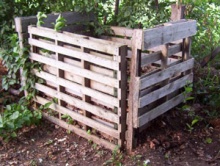
This winter, Vermonters will have a chance to attend a number of free home composting classes to help them reduce the amount of organic waste they send to the landfills. In a series of USDA-sponsored online “webinars” and in-person workshops in January, February and March, staff of the Highfields Center for Composting will show participants about the benefits of compost, compost system options, and how to maintain their pile to produce high-quality, nutrient-rich compost.
Highfields' is looking for a new name for our worm compost (vermicompost) that is fun, self-evident, and marketable! We're pleased to be able to donate one yard of vermicompost to local schools and non-profits for every yard that is sold. A pound for pound donation! So keep that in mind when brainstorming.
In 2014, we want to reach more farmers and students to help build and strengthen Vermont's agricultural economy through our Close The Loop program.
For the past twelve years, Highfields Center for Composting has been working with farmers, business owners, waste districts, schools and communities throughout the state in developing organic food scrap recycling practices to help reduce the amount of waste ending up in the landfills. We all know this is a good idea!
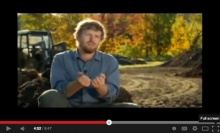
Dan Rather interviews the players and shakers shaping the sustainable food boom taking place in Hardwick, Vermont. (Full video embedded below)
In Part 2 of the video, starting at around 4:33, Tom says, "We call our programs close the loop programs because the composting is the end and the beginning of the food system. So we take that material that would otherwise be destined for the landfill and put it back into production, taking that linear food system model and bending it back into the image of an ecosystem.”
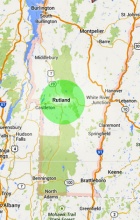
Like our other Close the Loop! regional programs, the Rutland loop demonstrates how private companies, public utilities, and non-profit organizations can work together to change the status quo of wasting food scraps by throwing them away. The program offers food scrap collection and recycling for businesses in the Rutland region.
The EPA estimates that 36 billion tons of food is wasted each year in the U.S. and a remarkable 96% of that gets dumped in our landfills, where the decomposition process creates harmful greenhouse gas emissions.
Just this past year we helped prevent over 16,000 tons of food scraps from going into Vermont landfills through our work within the local communities and with our many business partners. And we instructed over 800 Vermont students on how to separate their food scraps, along with the importance of composting in school based programming with innovative programs we bring directly to them.
I am thrilled to be working in our local composting program, and if you're psyched about sustainable communities, I am hoping you will consider doing what I just did.
Hacking the Heat: a compost heat recovery weekend intensive was a tremendous success that launched Highfields 1st active compost heat recovery systems.